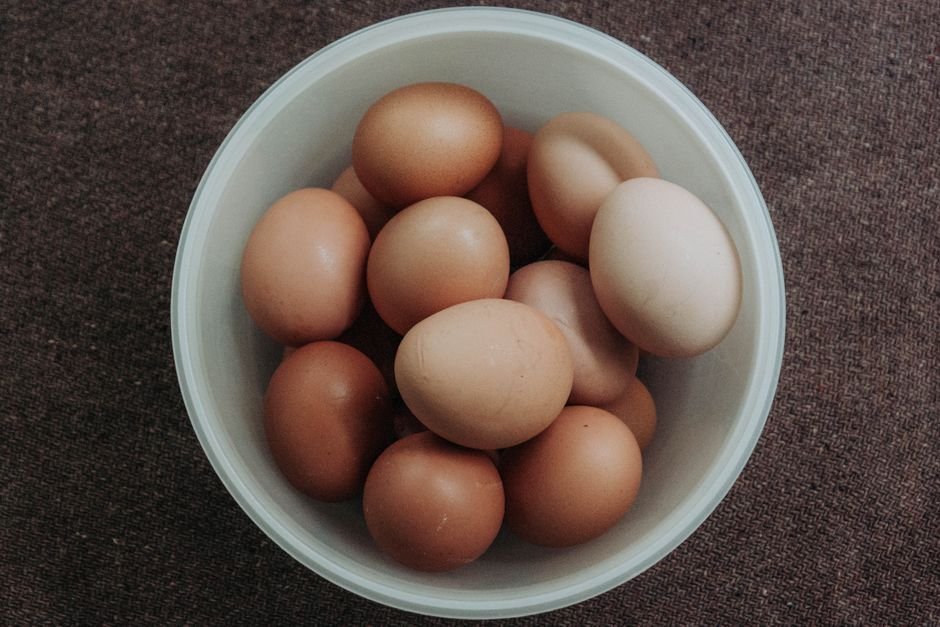
When it comes to food, there are numerous myths and misconceptions that have been passed down through the years. One such myth is that brown eggs are more nutritious than white eggs. This myth has been perpetuated by many, with some even claiming that brown eggs have more protein and less cholesterol than their white counterparts.
However, this couldn't be further from the truth. The color of an eggshell has absolutely no bearing on its nutritional content. The difference in color is simply due to the breed of chicken that laid the egg. White eggs are typically laid by white chickens, while brown eggs are laid by brown chickens.
Egg Nutrition
The nutritional content of an egg is determined by the chicken's diet and living conditions, not by the color of the eggshell. Both brown and white eggs have the same amount of protein, vitamins, and minerals. In fact, the United States Department of Agriculture (USDA) states that there is no significant difference in the nutritional content of brown and white eggs.
Another myth that has been debunked is that eating carrots will improve your eyesight. While carrots do contain a nutrient called beta-carotene, which is converted to vitamin A in the body, this vitamin is essential for the health of the retina. However, eating carrots will not improve existing eyesight or cure eye problems.
Food Myths and Misconceptions
There are many other food myths and misconceptions that have been debunked by scientists and experts. For example, the myth that cracking your knuckles will give you arthritis has been proven false. Similarly, the idea that you should drink at least eight glasses of water a day has no scientific basis.
In conclusion, it's essential to separate fact from fiction when it comes to food and nutrition. By being aware of these myths and misconceptions, we can make informed decisions about our diet and lifestyle. So, the next time you're at the grocery store, don't be fooled by the myth that brown eggs are more nutritious than white eggs. Choose your eggs based on factors like freshness, quality, and price, not color.
Healthy Eating
A healthy diet is all about balance and variety. Rather than focusing on individual foods or nutrients, it's essential to eat a wide range of whole, unprocessed foods. This includes fruits, vegetables, whole grains, lean proteins, and healthy fats. By making informed choices and avoiding fad diets and quick fixes, we can maintain a healthy weight, reduce our risk of chronic diseases, and improve our overall well-being.
In the end, it's crucial to be critical of the information we receive, especially when it comes to food and nutrition. By being aware of the myths and misconceptions that surround us, we can make better choices and live healthier, happier lives.