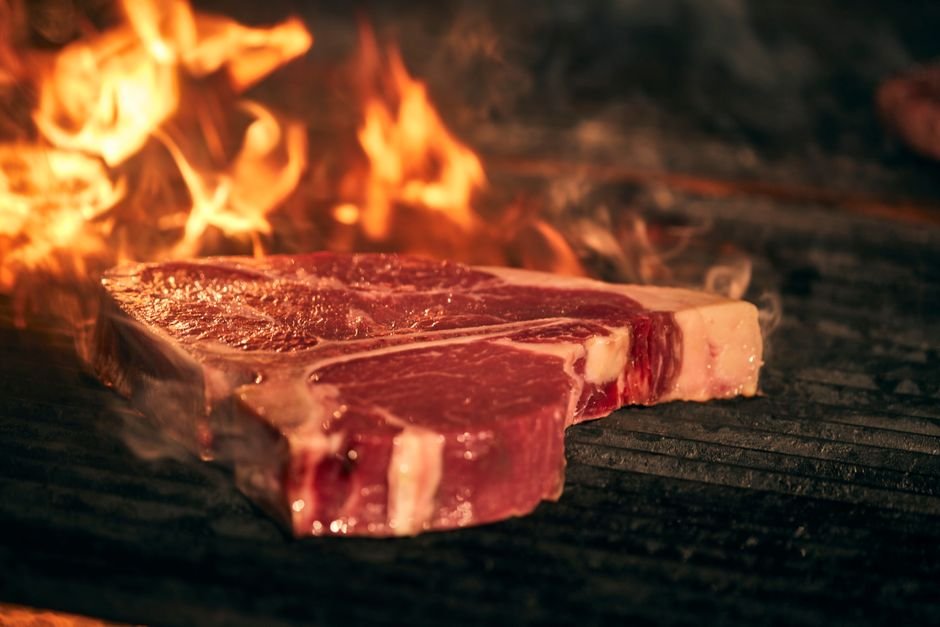
When it comes to cooking and food, there are many myths that have been passed down through the years. Some of these myths have been debunked, while others remain widely believed. One of the most common food myths is that you should never wash raw meat before cooking it. This myth has been around for a long time, and many people still believe it to be true.
However, this could not be further from the truth. Washing raw meat before cooking it is not only safe, but it is also a good idea. In fact, the USDA recommends washing raw meat, especially poultry, before cooking it to prevent the spread of bacteria. This is because raw meat can harbor bacteria like Salmonella and E. coli, which can cause food poisoning if ingested.
Washing raw meat before cooking it can help to remove some of these bacteria, making it safer to eat. Of course, it is still important to cook the meat to the recommended internal temperature to ensure that any remaining bacteria are killed. But washing it first can help to reduce the risk of food poisoning.
Another food myth that has been debunked is that you should never eat eggs that have cracks in them. Many people believe that eggs with cracks are more likely to be contaminated with bacteria like Salmonella, and that eating them can make you sick. However, this is not necessarily true.
While it is true that eggs with cracks may be more susceptible to contamination, the risk of getting sick from eating a cracked egg is still relatively low. In fact, the USDA estimates that only about 1 in 20,000 eggs produced in the US is contaminated with Salmonella. And, if you store your eggs properly in the refrigerator and cook them to the recommended internal temperature, the risk of getting sick is even lower.
Eating Healthy
The key to eating healthy is to be informed about the food you eat. This means knowing where your food comes from, how it is produced, and how to prepare it safely. It also means being aware of common food myths and debunking them.
Common Misconceptions
There are many common misconceptions about food that can be harmful to our health. For example, some people believe that low-fat or non-fat foods are always healthy. However, this is not always the case. Many low-fat or non-fat foods are highly processed and contain added sugars, salt, and unhealthy ingredients.
The Truth About Food
The truth about food is that it is complex and multifaceted. There is no one-size-fits-all approach to eating healthy, and what works for one person may not work for another. The best way to eat healthy is to focus on whole, unprocessed foods like fruits, vegetables, whole grains, and lean proteins. It is also important to be mindful of portion sizes and to limit your intake of added sugars, salt, and unhealthy fats.
Food For Thought
In conclusion, there are many food myths that have been debunked, and it is up to us to separate fact from fiction in the kitchen. By being informed about the food we eat and how to prepare it safely, we can make healthier choices and reduce our risk of getting sick. So, the next time you are cooking or eating, remember to think critically about the food myths you have heard and to focus on whole, unprocessed foods.