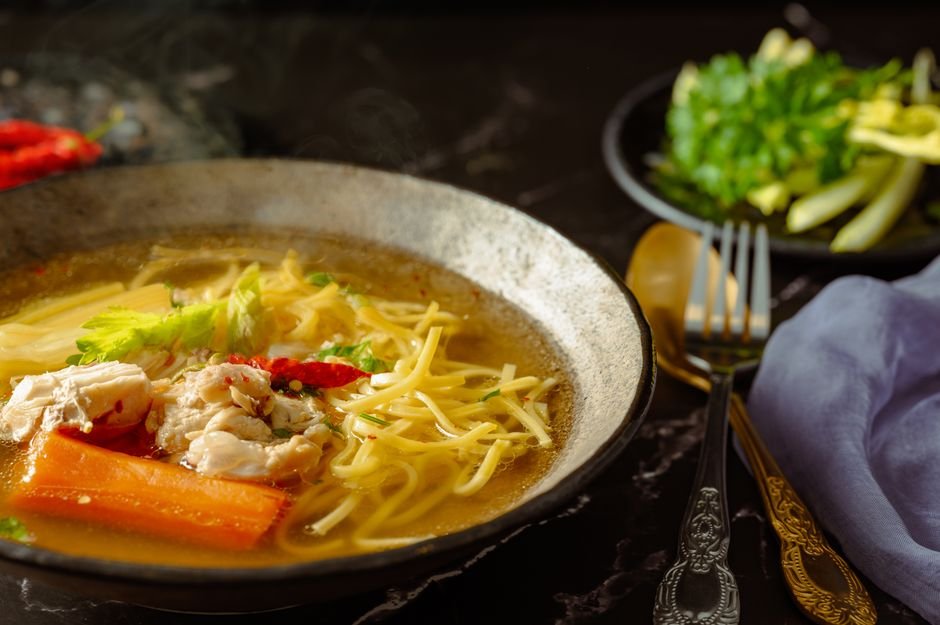
Comfort food has been a staple of human culture for centuries, providing solace and warmth to people from all walks of life. The concept of comfort food is deeply rooted in our emotional and psychological well-being, often evoking feelings of nostalgia and comfort.
The origins of comfort food can be traced back to ancient times, when food was a symbol of love, care, and community. In many cultures, traditional dishes were prepared with love and care, often using ingredients that were readily available and nutritious. These dishes were not only a source of sustenance but also a way to bring people together, fostering a sense of belonging and togetherness.
Food and Emotions
The relationship between food and emotions is complex and multifaceted. Certain smells, tastes, and textures can evoke powerful emotional responses, transporting us back to a particular time and place. Comfort food often taps into this emotional resonance, providing a sense of comfort and security in times of stress or uncertainty.
The Evolution of Comfort Food
Over time, comfort food has evolved to reflect changing tastes, cultural exchange, and technological advancements. The rise of globalization has introduced new ingredients and cooking techniques, while social media has created a platform for people to share and discover new comfort food recipes. Despite these changes, the fundamental essence of comfort food remains the same – to provide warmth, comfort, and a sense of belonging.
Regional Comfort Foods
Different regions and cultures have their own unique comfort foods, often reflecting local ingredients, traditions, and history. In the Southern United States, comfort food is often associated with rich, hearty dishes like fried chicken, mac and cheese, and grits. In contrast, Asian cultures often emphasize the importance of noodles, soups, and steamed dishes, which are not only nourishing but also provide a sense of comfort and relaxation.
In conclusion, comfort food is more than just a meal – it's an emotional experience that transcends cultural and geographical boundaries. Whether it's a warm, fluffy biscuit or a steaming bowl of noodles, comfort food has the power to evoke feelings of nostalgia, comfort, and belonging. As we continue to navigate the complexities of modern life, the importance of comfort food will only continue to grow, providing a sense of solace and warmth in an increasingly fast-paced world.
The Future of Comfort Food
As we look to the future, it's clear that comfort food will continue to play a vital role in our lives. With the rise of food technology and social media, we can expect to see new and innovative comfort food recipes emerge, while traditional dishes continue to evolve and adapt to changing tastes and preferences. One thing is certain – comfort food will remain a staple of human culture, providing a sense of warmth, comfort, and community that transcends borders and generations.
Comfort food is a universal language, understood and appreciated by people from all walks of life. Whether it's a family recipe passed down through generations or a new dish discovered on social media, comfort food has the power to bring us together, foster a sense of belonging, and provide a much-needed respite from the challenges of modern life. As we continue to navigate the complexities of the 21st century, the importance of comfort food will only continue to grow, providing a sense of solace, warmth, and comfort that is essential to our emotional and psychological well-being.